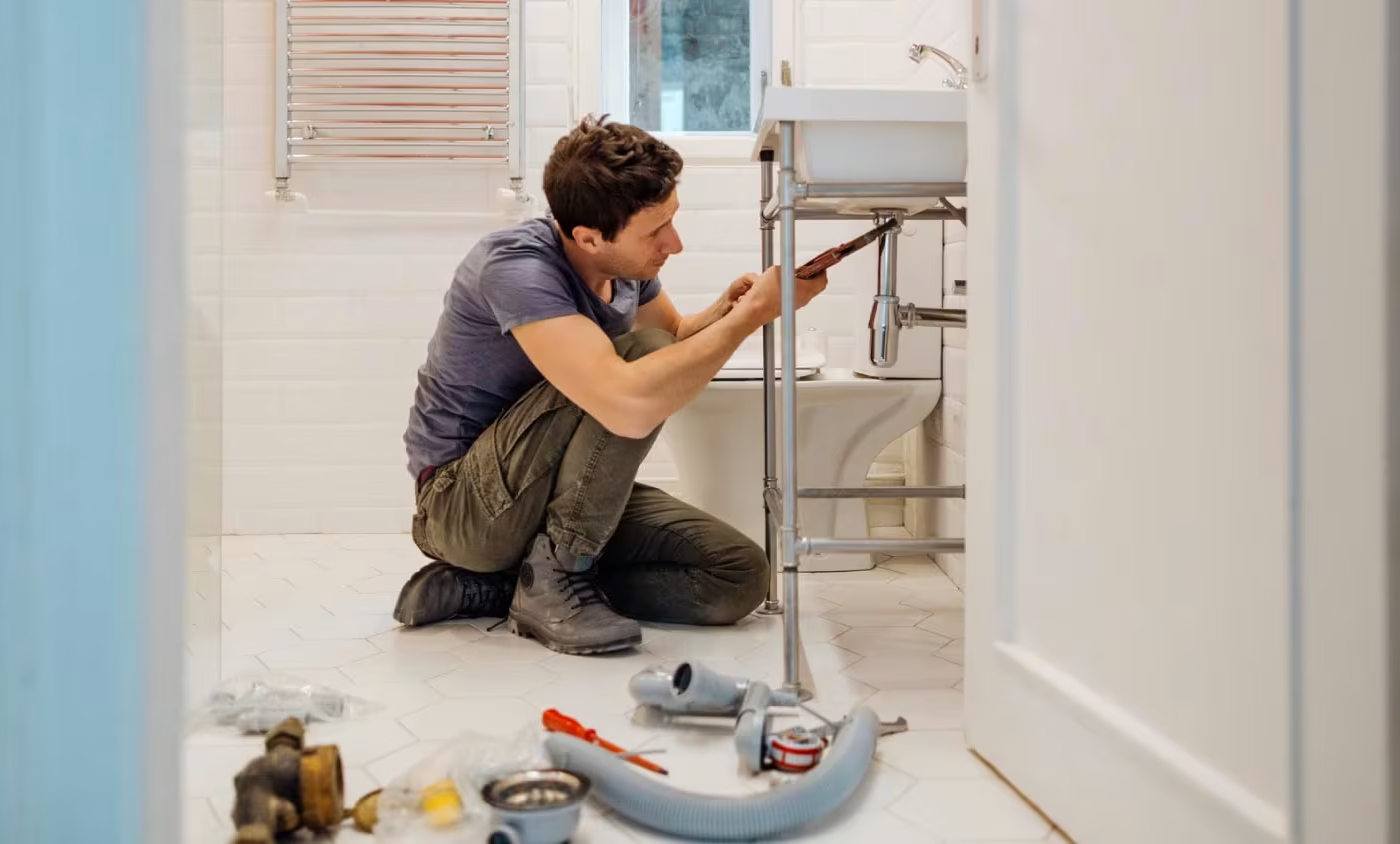
Dealing with common plumbing problems doesn’t always mean you need to call a professional right away. Many household plumbing issues, from clogged drains to running toilets, have simple fixes that homeowners can handle themselves with a few basic tools and a little patience. Knowing how to troubleshoot these common plumbing problems not only saves you money on service calls but also helps you act quickly before small issues turn into bigger, more expensive repairs. This guide walks through the most frequent plumbing problems and practical, step-by-step solutions you can try at home.
Why Understanding Common Plumbing Problems Saves You Money
Before calling a plumber for every issue, it helps to understand which common plumbing problems are safe to handle yourself.
Benefits of DIY troubleshooting include:
- Avoiding service call fees for simple fixes
- Preventing minor issues from escalating while waiting for a plumber
- Building confidence in basic home maintenance skills
- Knowing when a problem truly requires professional expertise
That said, not every issue is DIY-friendly. Recognizing the difference between a quick fix and a job requiring a licensed plumber is just as important as knowing the solutions themselves.
Clogged Drains: The Most Common Plumbing Problem
Clogged drains are among the most frequent common plumbing problems homeowners face, often caused by hair, soap residue, or food particles.
Simple fixes to try:
- Use a plunger to create suction and dislodge the blockage
- Try a drain snake to physically remove debris from the pipe
- Pour a mixture of baking soda and vinegar down the drain, followed by hot water after 15 minutes
- Remove and clean the sink stopper, where hair often accumulates
When to call a professional: If clogs persist after multiple attempts or occur in multiple drains simultaneously, it may indicate a deeper blockage in the main sewer line.
(Internal link opportunity: link to “Deep Cleaning Checklist” article for regular drain maintenance tips)
Running Toilets and How to Fix Them
A constantly running toilet is one of the most wasteful common plumbing problems, significantly increasing water bills if left unaddressed.
Common causes and fixes:
- Faulty flapper valve: Check if the flapper seals properly; replace it if worn or warped
- Improper float level: Adjust the float arm so it stops the tank from overfilling
- Chain issues: Ensure the chain connecting the flapper isn’t tangled or too loose
Step-by-step fix:
- Remove the toilet tank lid
- Inspect the flapper, float, and chain for visible issues
- Adjust or replace the faulty component
- Flush and observe if the running stops
This simple fix typically takes less than 30 minutes and requires minimal tools.
Low Water Pressure Issues
Low water pressure is a frustrating but often fixable common plumbing problem, especially in older homes.
Possible causes:
- Mineral buildup clogging faucet aerators or showerheads
- Partially closed shut-off valves
- Pipe corrosion in older plumbing systems
DIY fixes to try:
- Unscrew and soak faucet aerators or showerheads in vinegar to dissolve mineral deposits
- Check that shut-off valves under sinks and near the water meter are fully open
- Clean sediment filters if your home has one installed
If low pressure persists throughout the entire house, it may indicate a larger issue requiring professional inspection.
Leaky Faucets and Pipes
Leaky faucets rank among the most common plumbing problems, often caused by worn-out washers or seals.
Steps to fix a leaky faucet:
- Turn off the water supply to the faucet
- Disassemble the faucet handle carefully
- Inspect and replace the worn washer or O-ring
- Reassemble and test for leaks
For leaky pipes, minor drips can sometimes be temporarily managed with pipe tape or a pipe clamp, but persistent leaks usually indicate the need for professional repair to prevent water damage.
Water Heater Problems
Water heater issues are common plumbing problems that require a bit more caution due to electrical or gas components involved.
Common issues:
- No hot water: Often caused by a tripped circuit breaker or faulty heating element
- Inconsistent temperature: May indicate sediment buildup in the tank
- Strange noises: Usually caused by mineral deposits settling at the tank’s bottom
Basic maintenance you can do:
- Flush the water heater tank annually to remove sediment buildup
- Check and reset the circuit breaker if power seems to be the issue
- Inspect the pressure relief valve periodically for proper function
Important: Any work involving gas connections or major electrical components should always be handled by a licensed professional.
(Internal link opportunity: link to “HVAC Maintenance Guide” article for related home system upkeep)
When to Call a Professional Plumber
While many common plumbing problems have DIY solutions, certain situations always require professional expertise:
- Persistent clogs affecting multiple drains
- Visible pipe corrosion or rusting
- Sewage backup or foul odors from drains
- Major leaks causing water damage
- Any work involving gas lines or water heater installation
Recognizing these warning signs early prevents minor plumbing issues from becoming major, costly emergencies.
Frequently Asked Questions
1. What is the most common plumbing problem in homes? Clogged drains are the most frequently reported common plumbing problem, usually caused by hair, soap residue, or food debris.
2. Can I fix a running toilet myself? Yes, most running toilet issues are caused by a faulty flapper, float, or chain, all of which are simple DIY fixes.
3. Why is my water pressure suddenly low? Low water pressure often results from mineral buildup, partially closed valves, or aging pipes.
4. When should I stop trying DIY fixes and call a plumber? If a problem persists after basic troubleshooting, affects multiple fixtures, or involves gas lines, it’s time to call a professional.
5. How can I prevent common plumbing problems from happening? Regular maintenance, like cleaning drains and flushing water heaters annually, significantly reduces the risk of common plumbing issues.
6. Is it safe to use chemical drain cleaners for clogs? Chemical cleaners can work but may damage pipes over time; natural alternatives like baking soda and vinegar are generally safer.
Conclusion
Understanding common plumbing problems and their solutions empowers you to handle many household issues confidently, without immediately calling a plumber. From clogged drains to running toilets and low water pressure, most minor problems have simple, budget-friendly fixes. However, knowing when a situation requires professional expertise is equally important for protecting your home from serious water damage.
Ready to tackle that nagging plumbing issue? Try the relevant fix from this guide today, and save your plumber’s number for when you really need it.
Suggested Image Alt Text:
- “Homeowner using plunger to fix common plumbing problem in sink”
- “Toilet tank showing flapper valve for running toilet repair”
- “Faucet aerator being cleaned to fix low water pressure issue”