Choosing between vinyl plank vs laminate flooring is one of the most common dilemmas homeowners face when planning a flooring upgrade. Both materials offer an affordable, attractive alternative to hardwood, but they differ significantly in water resistance, durability, and installation requirements. This guide compares vinyl plank vs laminate flooring across the factors that matter most, cost, durability, moisture resistance, and installation, so you can confidently choose the right flooring for your specific home, budget, and lifestyle needs.
Vinyl Plank vs Laminate Flooring: The Basics
Before comparing specific factors, it helps to understand the fundamental construction differences in the vinyl plank vs laminate flooring debate.
Vinyl plank flooring:
- Made from multiple layers of PVC and other synthetic materials
- Fully waterproof, making it suitable for any room in the home
- Available in luxury vinyl plank (LVP) and rigid core options
Laminate flooring:
- Made from a compressed wood fiber core with a printed image layer
- Water-resistant but not fully waterproof in most cases
- Known for a slightly harder, more solid underfoot feel
Understanding these core differences sets the foundation for comparing how each material performs across practical, everyday factors.
(Internal link opportunity: link to “Best Flooring Options for Pet Owners” article)
Cost Comparison
Budget is often the first consideration in the vinyl plank vs laminate flooring decision, and pricing varies based on quality tier.
Vinyl plank flooring costs:
- Budget options are competitively priced with laminate
- Premium luxury vinyl plank with thicker wear layers costs more
- Installation costs are generally comparable to laminate
Laminate flooring costs:
- Often slightly more affordable at entry-level quality tiers
- Higher-quality, water-resistant laminate closes the price gap with vinyl
- Installation costs can be lower for simpler click-lock systems
Overall cost takeaway:
At comparable quality tiers, vinyl plank and laminate flooring costs are often quite similar, making other factors like durability and water resistance more important in the final decision.
Durability and Longevity
Long-term performance is a critical factor in the vinyl plank vs laminate flooring comparison, especially for high-traffic homes.
Vinyl plank durability:
- Highly resistant to scratches, dents, and daily wear
- Flexible material that handles temperature changes well
- Wear layer thickness directly determines scratch resistance
Laminate durability:
- Hard surface resists scratches reasonably well
- More prone to chipping at edges and seams over time
- Can warp or swell if exposed to consistent moisture
Which lasts longer:
Vinyl plank generally offers better long-term durability, particularly in humid climates or moisture-prone areas, while laminate performs well in drier, lower-traffic spaces.
Water and Moisture Resistance
This is often the deciding factor in the vinyl plank vs laminate flooring debate, particularly relevant for Indian homes dealing with monsoon humidity.
Vinyl plank water resistance:
- Completely waterproof, making it safe for kitchens, bathrooms, and entryways
- Won’t warp, swell, or develop mold from moisture exposure
- Ideal for homes in humid or monsoon-prone regions
Laminate water resistance:
- Water-resistant coatings help but aren’t fully waterproof
- Prolonged moisture exposure can cause swelling or warping
- Not recommended for bathrooms or areas prone to spills and flooding
For Indian homeowners:
Given monsoon humidity and the risk of water exposure in many homes, vinyl plank flooring often proves the more practical choice for moisture-prone areas.
(Internal link opportunity: link to “Seasonal Home Maintenance Checklist” article for monsoon-related home care)
Installation Process
Installation complexity and cost differ somewhat in the vinyl plank vs laminate flooring comparison, though both are considered relatively DIY-friendly.
Vinyl plank installation:
- Available in click-lock, glue-down, and peel-and-stick options
- Flexible material adapts well to slightly uneven subfloors
- Generally straightforward for confident DIY installers
Laminate installation:
- Primarily uses click-lock floating floor systems
- Requires a relatively flat, even subfloor for best results
- May need an underlayment for moisture protection and sound insulation
DIY considerations:
Both materials are beginner-friendly for DIY installation, though vinyl plank’s flexibility makes it slightly more forgiving on imperfect subfloors.
(Internal link opportunity: link to “DIY vs Professional Home Improvement” article)
Appearance and Style Options
Aesthetics play an important role in the vinyl plank vs laminate flooring decision, and both materials have improved significantly in recent years.
Vinyl plank appearance:
- Highly realistic wood-look textures and finishes
- Available in a wide range of colors and plank widths
- Textured surfaces closely mimic natural hardwood grain
Laminate appearance:
- Sharp, detailed wood-look printing technology
- Slightly harder, more reflective surface in some finishes
- Wide variety of styles, including tile and stone-look options
Both materials now offer convincing, attractive finishes, making style differences less significant than practical performance factors like water resistance.
Maintenance and Cleaning
Ongoing upkeep is generally similar in the vinyl plank vs laminate flooring comparison, though vinyl offers a slight edge in moisture-related situations.
Vinyl plank maintenance:
- Simple sweeping and damp mopping keeps it clean
- Fully waterproof nature makes spill cleanup stress-free
- Resistant to most household chemicals and cleaning products
Laminate maintenance:
- Requires prompt cleanup of spills to prevent moisture damage
- Avoid excessive water when mopping to protect the core material
- Generally easy to maintain with regular sweeping and occasional damp cloth cleaning
Both materials are relatively low-maintenance compared to hardwood, though vinyl’s waterproof nature provides more flexibility for everyday cleaning routines.
Frequently Asked Questions
1. Which is more affordable, vinyl plank or laminate flooring? At similar quality levels, pricing is often comparable, though budget laminate can be slightly cheaper than entry-level vinyl plank options.
2. Is vinyl plank flooring better for bathrooms and kitchens? Yes, vinyl plank’s fully waterproof nature makes it a better choice than laminate for moisture-prone areas like bathrooms and kitchens.
3. Which flooring option is easier to install as a DIY project? Both are relatively DIY-friendly, though vinyl plank’s flexibility makes it slightly more forgiving on uneven subfloors.
4. Does laminate flooring scratch more easily than vinyl plank? Laminate generally resists scratches well but can chip at edges over time, while vinyl plank offers more consistent scratch resistance overall.
5. Which flooring option lasts longer? Vinyl plank typically offers better long-term durability, particularly in humid or moisture-prone environments.
6. Can vinyl plank or laminate flooring be installed over existing tile? In many cases, yes, both can be installed over existing tile if the surface is level and in good condition, though professional assessment is recommended.
Conclusion
Choosing between vinyl plank vs laminate flooring ultimately comes down to your specific needs around moisture exposure, budget, and durability expectations. Vinyl plank offers superior water resistance and long-term durability, making it ideal for humid climates and moisture-prone rooms, while laminate remains a solid, budget-friendly option for drier spaces. Weighing these practical factors against your home’s specific conditions will help you make the right choice.
Ready to choose your flooring? Compare samples of both options in person to see how their look and feel align with your home’s style before making a final decision.
Suggested Image Alt Text:
- “Comparison of vinyl plank vs laminate flooring samples side by side”
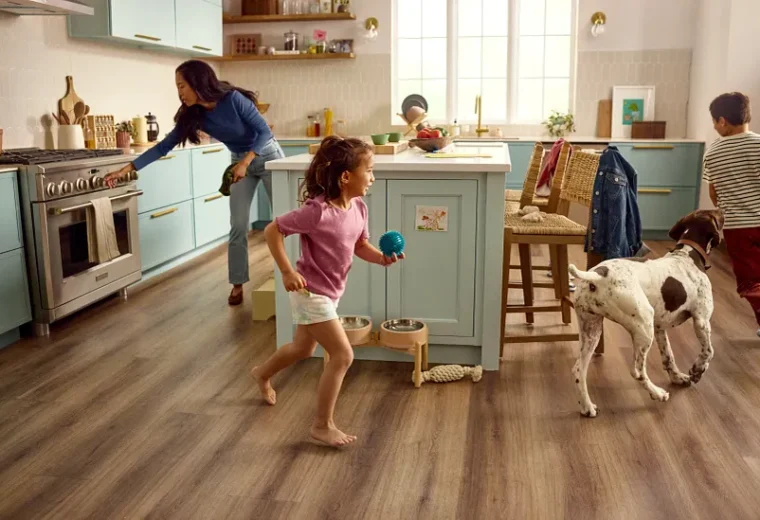
- “Waterproof vinyl plank flooring installed in modern kitchen”
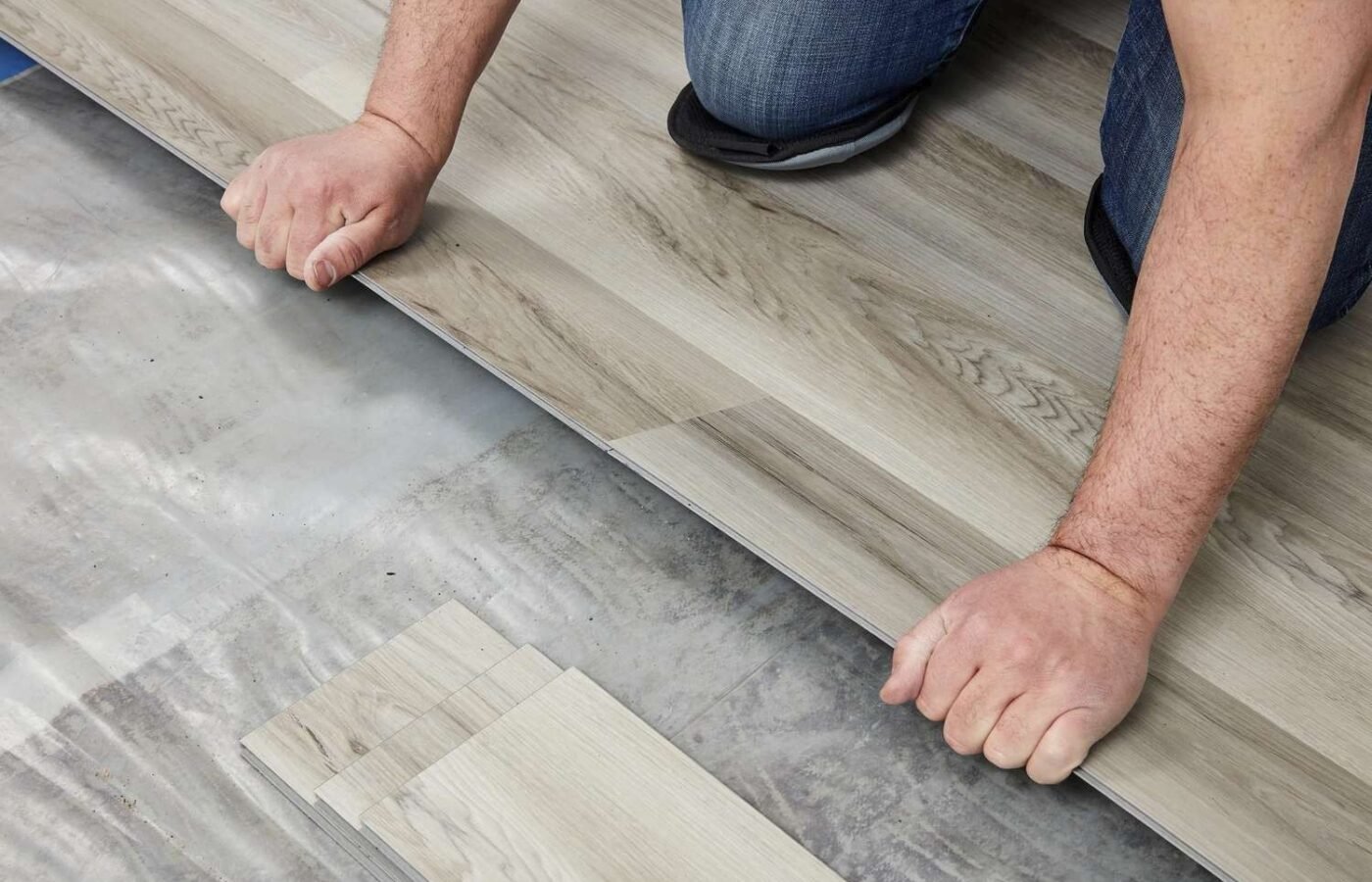
- “Laminate flooring installation with click-lock planks”