If your home feels chaotic despite regular cleaning, the problem might not be clutter — it might be design. Minimalist home design ideas focus on intention, simplicity, and function over excess.
Minimalism isn’t about having an empty, cold house. It’s about keeping only what adds value, whether that’s beauty, function, or meaning, and removing the rest. The result is a home that feels calm, spacious, and easy to maintain.
This guide breaks down the core principles behind minimalist home design ideas and gives you practical steps to apply them in your own space, whether you’re starting fresh or slowly simplifying an existing home.
1. Understand the Core Principles of Minimalism
Before diving into minimalist home design ideas, it helps to understand what minimalism actually means in interior design. It’s not a strict rulebook — it’s a mindset.
Key principles include:
- Function over decoration — every item should serve a clear purpose
- Quality over quantity — fewer, better-made pieces last longer
- Negative space — empty space is intentional, not a gap to fill
- Neutral, cohesive colors that create visual calm
- Clean lines and simple forms in furniture and architecture
Once you internalize these principles, choosing furniture and décor becomes much easier and more intentional.
2. Start With Decluttering
You can’t apply minimalist home design ideas to a cluttered space. Decluttering is the essential first step, and it’s often the hardest.
A practical approach:
- Go room by room instead of tackling the whole house at once
- Sort items into keep, donate, and discard piles
- Ask if each item is used regularly or holds real meaning
- Remove duplicates — you likely don’t need three of the same item
- Reassess every few months, since clutter tends to creep back
Decluttering isn’t a one-time event. Building a habit of regular reassessment keeps your space aligned with minimalist principles long-term.
3. Choose a Neutral, Cohesive Color Palette
Color plays a major role in how calm and open a minimalist home feels. Busy, mismatched colors work against the simplicity that minimalist home design ideas are built on.
Popular minimalist color choices:
- Whites, off-whites, and warm greys
- Soft beige and sand tones
- Black or charcoal as an accent, not a dominant color
- Natural wood tones for warmth
Stick to two or three main colors throughout the home for a cohesive, flowing look from room to room.
4. Invest in Multi-Purpose, Quality Furniture
Minimalist homes prioritize furniture that’s functional and built to last, rather than trend-driven pieces bought cheaply and replaced often.
When selecting furniture:
- Choose pieces with clean lines and simple silhouettes
- Prioritize function — a bench with storage, a bed with drawers underneath
- Avoid heavily ornamented or bulky furniture
- Buy fewer, better pieces instead of filling every corner
This approach also saves money over time, since quality furniture requires less frequent replacement.
5. Maximize Natural Light and Open Space
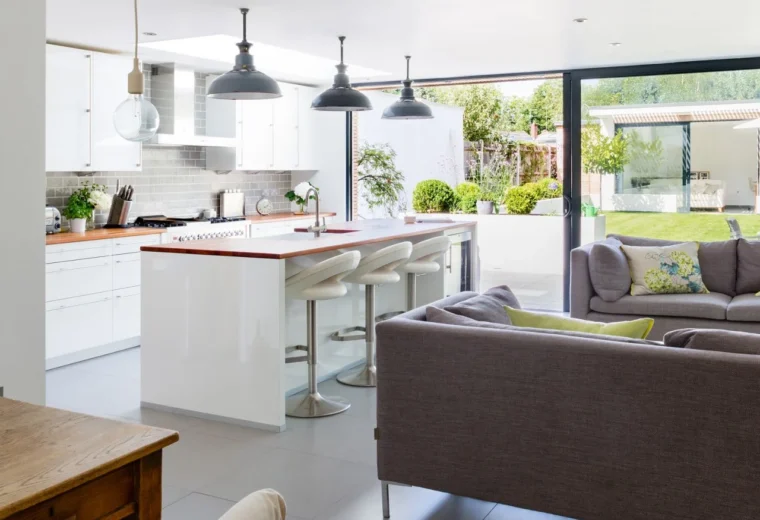
Light and openness are central to minimalist home design ideas. A well-lit, uncluttered room automatically feels more minimal, even before you change any furniture.
Ways to enhance light and space:
- Use sheer or light curtains instead of heavy drapes
- Keep windows clear of furniture and clutter
- Choose light flooring or rugs to reflect light
- Avoid blocking walkways with unnecessary furniture
Open floor plans work well with minimalism, but even smaller homes can feel airy with the right light and furniture placement.
6. Limit Decorative Accessories
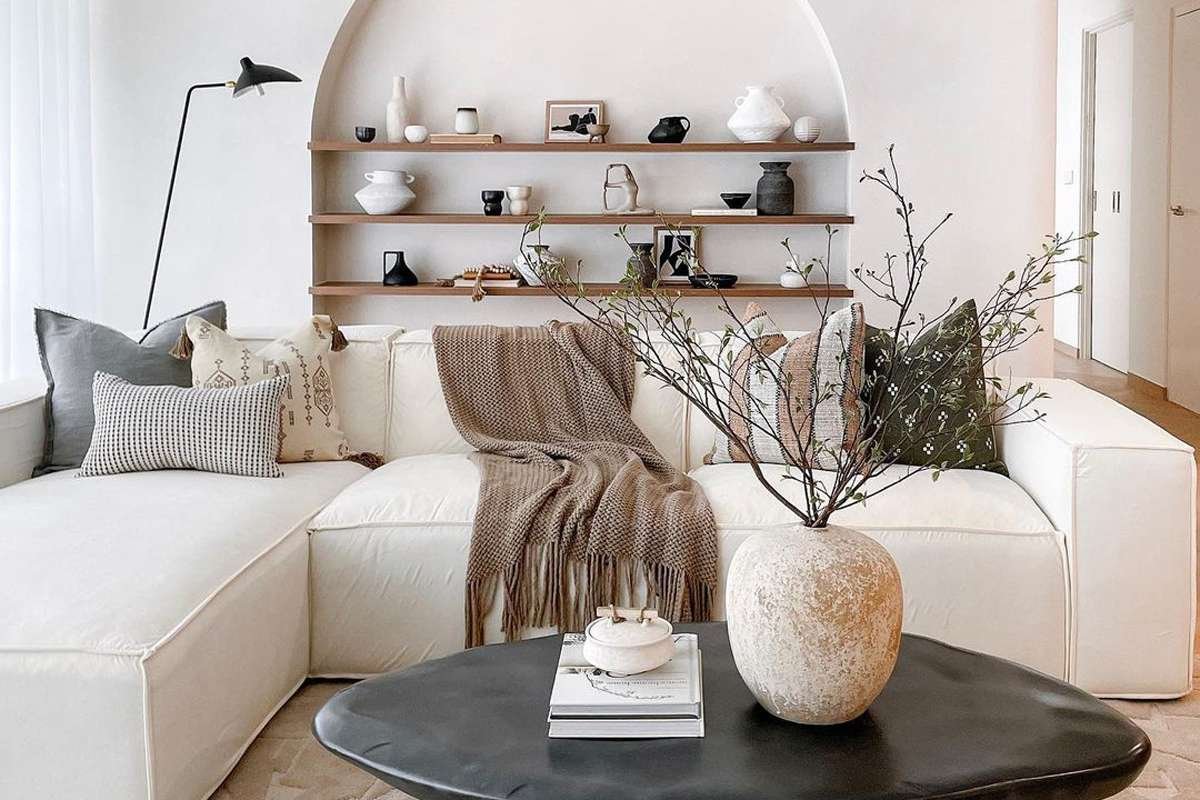
In minimalist design, less truly is more. Rather than filling shelves and surfaces with knick-knacks, choose a few meaningful pieces and let them stand out.
- Display one or two statement art pieces instead of many small ones
- Use a single plant or a small cluster instead of scattered greenery
- Keep countertops and tables mostly clear
- Rotate décor seasonally instead of accumulating more
This restraint is what gives minimalist homes their signature sense of calm and order.
7. Focus on Storage and Organization
Hidden, well-planned storage is essential to maintaining minimalist home design ideas over time. Without it, clutter creeps back quickly.
Smart storage solutions:
- Built-in wardrobes and cabinets that blend with walls
- Under-bed storage for seasonal items
- Closed shelving instead of open displays for everyday items
- Multi-purpose furniture with hidden compartments
Good storage means everything has a place, so surfaces stay clear without constant effort.
8. Apply Minimalism to Indian Homes Thoughtfully
Minimalist home design ideas can feel foreign in Indian homes, which often embrace rich colors, patterns, and sentimental décor. The goal isn’t to remove culture, but to curate it.
- Choose one or two meaningful traditional pieces as focal points, rather than displaying everything at once
- Rotate festive décor instead of keeping it out year-round
- Blend minimalist furniture with a few textured, handcrafted accents
- Keep family heirlooms visible but limited to avoid visual clutter
This balanced approach lets you enjoy minimalism while still honoring personal and cultural connection to your home.
Frequently Asked Questions
1. What is minimalist home design? Minimalist home design focuses on simplicity, function, and intentional choices, using fewer but higher-quality furniture and décor items to create a calm, uncluttered space.
2. Is minimalist design expensive? Not necessarily. While quality furniture can cost more upfront, buying fewer items and decluttering regularly often saves money over time.
3. How do I start decluttering for a minimalist home? Begin room by room, sorting items into keep, donate, and discard categories, and focus on what you actually use or truly value.
4. Can a minimalist home still feel warm and cozy? Yes, using natural materials, warm lighting, and a few textured accents keeps a minimalist home from feeling cold or empty.
5. What colors work best for minimalist home design? Neutral tones like white, beige, and grey work best, often paired with natural wood accents for warmth.
6. Is minimalist design suitable for small Indian homes? Yes, minimalist principles like decluttering, light colors, and multi-purpose furniture are especially effective in small Indian apartments and homes.
Conclusion
Minimalist home design ideas aren’t about stripping away personality — they’re about being intentional with what you keep and how you arrange it. From decluttering and neutral colors to smart storage and quality furniture, each principle works together to create a calm, functional home.
Start with one room, apply these steps gradually, and notice how much lighter and more organized your space feels. A minimalist home isn’t built overnight, but every small change brings you closer to a space that truly works for you.
[Internal link suggestion: Link “decluttering” to a related post like “Simple Decluttering Tips for Every Room”]
[Internal link suggestion: Link “multi-purpose furniture” to a related post like “Best Space-Saving Furniture for Small Homes”]
[Internal link suggestion: Link “storage solutions” to a related post like “Smart Storage Ideas for Compact Homes”]
Suggested Image Alt Texts
- Alt text: “Minimalist living room with neutral colors and clean-lined furniture”
- Alt text: “Decluttered bedroom with hidden storage in minimalist home design”
- Alt text: “Minimalist home decor with single statement plant and neutral wall”