Recognizing the early signs you need a roof replacement can save you from far more expensive repairs down the road, including structural damage and interior water leaks. Your roof works silently to protect your entire home, but years of weather exposure gradually wear it down in ways that aren’t always obvious from a quick glance. This guide walks through the clearest signs you need a roof replacement, helping you catch problems early before they escalate into serious, costly issues that affect the safety and value of your home.
Why Catching These Signs Early Matters
Ignoring early signs you need a roof replacement often leads to consequences far beyond the roof itself.
Delayed action can result in:
- Water damage spreading to ceilings, walls, and insulation
- Mold and mildew growth from prolonged moisture exposure
- Structural damage to the roof deck and supporting beams
- Significantly higher repair costs compared to timely replacement
Catching warning signs early gives you time to plan and budget for replacement, rather than facing an emergency repair situation during heavy rains or storms.
Age of Your Roof
One of the most straightforward signs you need a roof replacement is simply the age of your existing roofing material.
General lifespan guidelines:
- Asphalt shingle roofs typically last 20-25 years
- Metal roofing can last 40-70 years with proper maintenance
- Concrete or clay tile roofs often last 50 years or more
- Flat roofs with waterproofing membranes typically need attention every 10-15 years
If your roof is approaching or has exceeded its expected lifespan, even without obvious damage, it’s worth scheduling a professional inspection to assess its current condition.
(Internal link opportunity: link to “Metal Roofing vs Asphalt Shingles” article)
Visible Leaks and Water Stains
Water stains on ceilings or walls are among the most urgent signs you need a roof replacement, indicating active moisture infiltration.
What to look for:
- Brown or yellow stains on interior ceilings
- Peeling paint or bubbling on walls near the roofline
- Damp spots that appear after rainfall
- Musty odors suggesting hidden moisture buildup
Why this matters:
Even small leaks can indicate significant underlying damage, since water often travels along roof structures before showing visible signs indoors. By the time stains appear, damage may already be more extensive than expected.
Cracked, Curling, or Missing Shingles
Physical damage to roofing materials is one of the clearest signs you need a roof replacement, especially when damage is widespread rather than isolated.
Warning signs to check for:
- Shingles that are cracked, curling at the edges, or buckling
- Missing shingles exposing the underlying roof deck
- Granules collecting in gutters, indicating shingle deterioration
- Discoloration or dark streaks suggesting algae or moisture damage
When repair isn’t enough:
If damage affects a large portion of your roof rather than a few isolated shingles, full replacement is typically more cost-effective than repeated patch repairs.
Sagging Roof Deck
A sagging or uneven roofline is one of the most serious signs you need a roof replacement, often indicating structural concerns beneath the surface.
Common causes of sagging:
- Prolonged water damage weakening the roof deck
- Excessive weight from accumulated debris or standing water
- Structural issues with underlying support beams
- Age-related deterioration of roofing materials
Important safety note:
A sagging roof deck should never be ignored, as it can indicate serious structural weakness that poses safety risks. Contact a roofing professional immediately if you notice any visible sagging.
(Internal link opportunity: link to “Signs You Need a Roof Replacement” internal reference — link to related “Seasonal Home Maintenance Checklist” for regular inspection reminders)
Daylight Visible Through the Roof
If you can see daylight through your attic or roof boards, this is one of the most definitive signs you need a roof replacement.
What this indicates:
- Gaps or holes in the roofing material
- Compromised roof deck integrity
- Potential entry points for pests, moisture, and drafts
How to check:
Inspect your attic during daylight hours with the lights off. Any visible light coming through indicates areas where your roof has lost its protective barrier, requiring prompt professional attention.
Rising Energy Bills
An often-overlooked indicator among signs you need a roof replacement is a noticeable increase in heating or cooling costs.
Why this happens:
- Damaged or aging roofing reduces insulation effectiveness
- Gaps or deterioration allow conditioned air to escape
- Poor ventilation from roof damage forces HVAC systems to work harder
If your energy bills have increased without a clear explanation, and your roof hasn’t been inspected recently, it’s worth having a professional assess whether roofing issues are contributing to the problem.
(Internal link opportunity: link to “HVAC Maintenance Guide” article)
Granules Accumulating in Gutters
Finding excessive granules in your gutters is a subtle but important sign among the signs you need a roof replacement, particularly for asphalt shingle roofs.
What granule loss indicates:
- Shingles are breaking down and losing their protective coating
- Increased vulnerability to UV damage and weather exposure
- Roof is likely nearing the end of its functional lifespan
While some granule loss is normal during a roof’s early years, significant or increasing accumulation typically signals it’s time for a professional evaluation.
Frequently Asked Questions
1. How do I know if my roof needs repair or full replacement? If damage is isolated to a small area, repair may suffice. Widespread damage, sagging, or a roof nearing the end of its lifespan typically warrants full replacement.
2. How long does a typical roof last before needing replacement? Lifespan varies by material, with asphalt shingles lasting 20-25 years, while metal or tile roofs can last significantly longer with proper maintenance.
3. Can I inspect my own roof for damage? Basic visual inspections from the ground or attic are safe, but a professional roofing inspection is recommended for a thorough, accurate assessment.
4. Does homeowner’s insurance cover roof replacement? Coverage varies by policy and cause of damage; storm or weather-related damage is often covered, while age-related wear typically isn’t.
5. What is the average cost of a roof replacement? Costs vary significantly based on roof size, material choice, and labor rates, so getting multiple professional quotes is recommended for accurate budgeting.
6. Can a leaking roof cause structural damage if left unaddressed? Yes, prolonged leaks can weaken the roof deck, damage insulation, and lead to mold growth, making prompt attention essential.
Conclusion
Recognizing the early signs you need a roof replacement protects your home from far more serious and expensive damage down the road. From visible leaks and cracked shingles to sagging rooflines and rising energy bills, these warning signals shouldn’t be ignored. Scheduling a professional inspection at the first sign of trouble helps you address issues before they become emergencies.
Noticing any of these warning signs? Contact a licensed roofing professional today for a thorough inspection and honest assessment of your roof’s condition.
Suggested Image Alt Text:
- “Cracked and curling shingles indicating roof replacement is needed”
- “Water stain on ceiling showing signs of roof leak damage”
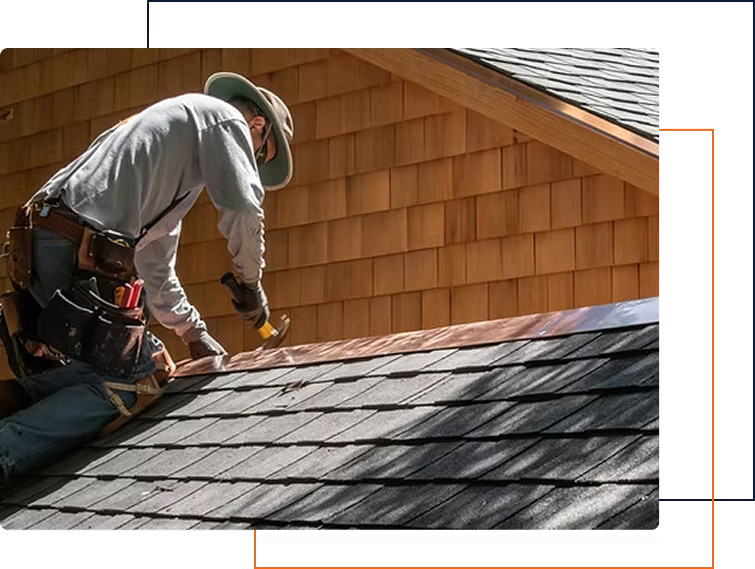
- “Roofing professional inspecting shingles for replacement signs”