Following the right HVAC maintenance tips can add years to your system’s life while keeping energy bills in check. Your heating and cooling system works constantly behind the scenes, and like any hardworking machine, it needs regular care to perform efficiently. Neglecting maintenance often leads to reduced efficiency, higher electricity costs, and premature breakdowns that could have been easily prevented. This guide covers practical HVAC maintenance tips that homeowners can follow throughout the year to maximize performance, minimize repair costs, and significantly extend the overall lifespan of their system.
Why Regular HVAC Maintenance Matters
Understanding why maintenance matters makes it easier to stay consistent with these HVAC maintenance tips.
A well-maintained system offers several key benefits:
- Lower energy consumption and reduced electricity bills
- Fewer unexpected breakdowns, especially during peak summer or winter
- Improved indoor air quality for healthier living spaces
- Extended equipment lifespan, delaying costly replacement
According to HVAC industry estimates, regular maintenance can extend system lifespan by several years compared to neglected units, making upkeep one of the smartest investments a homeowner can make.
Change or Clean Filters Regularly
One of the simplest yet most important HVAC maintenance tips is staying on top of filter care.
Dirty filters restrict airflow, forcing your system to work harder and consume more energy. Over time, this strain shortens the lifespan of the entire unit.
Best practices:
- Check filters monthly, especially during heavy-use seasons
- Replace disposable filters every one to three months
- Clean reusable filters according to manufacturer instructions
- Replace filters more frequently if you have pets or allergies
This single habit is one of the easiest HVAC maintenance tips to implement, yet it has a significant impact on both efficiency and longevity.
Schedule Professional Servicing Twice a Year
While many HVAC maintenance tips are DIY-friendly, professional servicing remains essential for long-term system health.
Recommended servicing schedule:
- Before summer: Inspect and service the cooling system
- Before winter: Inspect and service the heating components
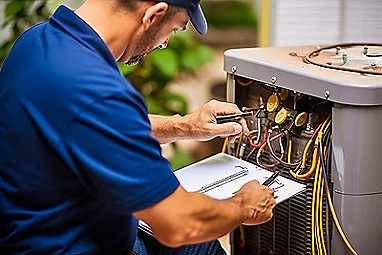
During professional visits, technicians typically:
- Check refrigerant levels and pressure
- Inspect electrical connections and components
- Clean coils and condenser units
- Test thermostat calibration and system controls
Catching small issues during routine servicing prevents them from becoming expensive emergency repairs later.
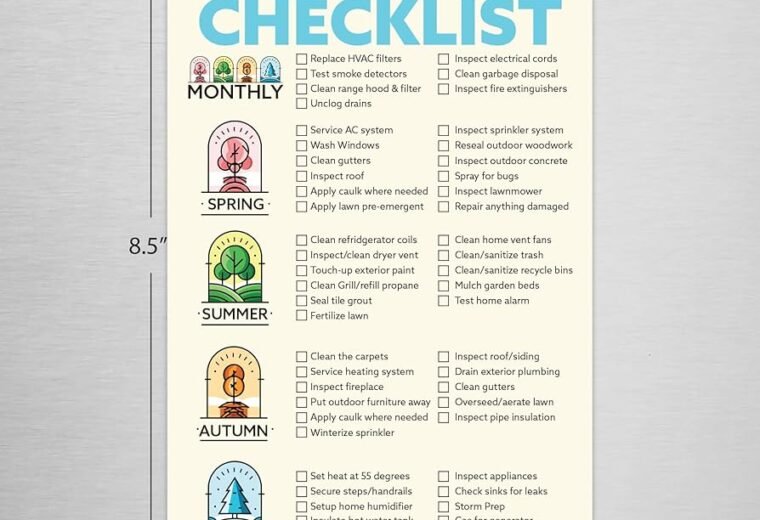
(Internal link opportunity: link to “Seasonal Home Maintenance Checklist” article)
Keep Outdoor Units Clean and Clear
Outdoor condenser units require specific attention as part of any complete set of HVAC maintenance tips, especially in dusty or humid climates.
Maintenance steps include:
- Clear debris, leaves, and dirt from around the unit regularly
- Trim plants and shrubs to maintain at least two feet of clearance
- Gently clean condenser coils with a soft brush or hose
- Check that the unit sits level to prevent mechanical strain
A clogged or obstructed outdoor unit has to work harder, increasing wear and reducing overall system efficiency over time.
Inspect and Seal Ductwork
Leaky or damaged ducts are a hidden but common culprit behind inefficient HVAC performance, making duct inspection an essential item on your HVAC maintenance tips checklist.
Signs of duct problems include:
- Uneven cooling or heating between rooms
- Higher than expected energy bills
- Visible gaps or disconnected sections in accessible ductwork
Simple fixes:
- Seal visible gaps with foil tape or mastic sealant
- Insulate ducts running through unconditioned spaces like attics
- Have a professional inspect hidden ductwork periodically
Properly sealed ducts improve efficiency significantly and reduce strain on the entire system.
Monitor Thermostat Settings and Usage
Smart thermostat habits are often overlooked among HVAC maintenance tips, yet they directly affect both efficiency and equipment wear.
Helpful practices include:
- Avoid setting extreme temperatures that force the system to overwork
- Use programmable or smart thermostats to optimize usage automatically
- Keep consistent temperatures rather than frequent drastic changes
- Replace thermostat batteries regularly to avoid malfunction
Small adjustments in daily usage habits can meaningfully reduce the strain on your HVAC system over time.
Warning Signs You Shouldn’t Ignore
Even with the best HVAC maintenance tips in place, systems can develop issues that need prompt attention.
Watch for these warning signs:
- Unusual noises like grinding, banging, or squealing
- Weak or inconsistent airflow from vents
- Sudden spikes in energy bills without increased usage
- Frequent cycling on and off
- Unpleasant odors when the system runs
Addressing these signs early, rather than waiting for a full breakdown, often saves significant repair costs and prevents complete system failure.
(Internal link opportunity: link to “Common Plumbing Problems and How to Fix Them” article for related home system maintenance)
Frequently Asked Questions
1. How often should I service my HVAC system? Most experts recommend professional servicing twice a year, once before summer and once before winter.
2. What is the easiest HVAC maintenance tip to follow? Regularly checking and replacing air filters is the simplest and most impactful maintenance task homeowners can do themselves.
3. Can dirty filters really damage my HVAC system? Yes, dirty filters restrict airflow, forcing the system to work harder, which increases wear and shortens its lifespan.
4. How long does a well-maintained HVAC system typically last? With consistent maintenance, HVAC systems often last significantly longer than neglected units, though lifespan varies by system type and usage.
5. Do I need professional help for HVAC maintenance? While basic tasks like filter changes are DIY-friendly, professional servicing is recommended for refrigerant checks, electrical inspections, and deep cleaning.
6. What are signs my HVAC system needs immediate repair? Unusual noises, weak airflow, sudden energy bill spikes, and strange odors are all signs that warrant prompt professional attention.
Conclusion
Following consistent HVAC maintenance tips is one of the smartest ways to protect your investment, reduce energy costs, and avoid unexpected breakdowns. From simple filter changes to professional servicing and duct inspections, each step plays an important role in extending your system’s lifespan. Small, regular efforts today can save significant money and hassle down the road.
Ready to get started? Schedule your HVAC servicing today and start applying these tips for a more efficient, longer-lasting system.
Suggested Image Alt Text:
- “Technician performing HVAC maintenance and filter replacement”
- “Clean outdoor HVAC condenser unit with clear surrounding space”
- “Homeowner adjusting smart thermostat for energy-efficient HVAC use”